Between UmonHon Indians and an anticipated Asian meal at the KLCC in Kuala Lumpur, I wanted to feed my Spirits and who better to listen to than SADHGURU?
If you listen to his dietary advice, about frequency, types of food to eat, he is basing his knowledge on historic Yogic tradition.
The western mind asks for explanation, that is the logic. Faith is less relevant than scientific proof.
I have been advocating, longer periods of giving your metabolism a rest, completing your days nutrition within a 10 hour period.
Here I am quoting from a scientific article published in the Proceedings of National Academy of Science in the USA 2014, I am not editorializing but quoting verbatim from their article. If you watch Sadhguru first and read the excerpts from the article second, you would see the connection between the Spirit and the Science.
16647–16653.
disease
three meals plus snacks every day, is abnormal from an evolutionary
perspective. Emerging findings from studies of animal models and human subjects
suggest that intermittent energy restriction periods of as little as 16 h can
improve health indicators and counteract disease processes. The mechanisms
involve a metabolic shift to fat metabolism and ketone production, and
stimulation of adaptive cellular stress responses that prevent and repair
molecular damage.

dieticians to their patients is consistent with the current scientific
evidence, including the benefits of vegetables, fruits, fiber, nuts, and fish,
and the value of reducing or eliminating snacks. However, there are many myths
and presumptions concerning diet and health, including that it is important to
eat three or more meals per day on a regular basis
eating patterns of many mammals are characterized by intermittent energy
intake. Carnivores may kill and eat prey only a few times each week or even
less frequently , and hunter-gatherer anthropoids, including those living
today, often eat intermittently depending upon food availability . The ability to function at a high level, both physically and mentally,
during extended periods without food may have been of fundamental importance in
our evolutionary history.

dogs and cats, which are often fed ad libitum ,
and even laboratory rodents can often be considered overfed and sedentary .
Indeed, animals in the wild and hunter-gatherer humans rarely, if ever, suffer
from obesity, diabetes, and cardiovascular disease
of organisms from yeast and worms, to mice and monkeys can be extended by
dietary energy restriction .
Data collected from individuals practicing severe dietary restriction indicate
that humans undergo many of the same molecular, metabolic, and physiologic
adaptations typical of long-lived CR rodents .
IER/fasting can forestall and even reverse disease processes in animal models
of various cancers, cardiovascular disease, diabetes, and neurodegenerative
disorders
the diseases they foster is a major burden to our society. As findings from
basic research studies and controlled interventional trials accrue, consensus
recommendations for healthy patterns of meal frequency and diurnal timing may
eventually emerge. If sufficient evidence does emerge to support public health
and clinical recommendations to alter meal patterning, there will be numerous
forces at play in the acceptance or resistance to such recommendations. First
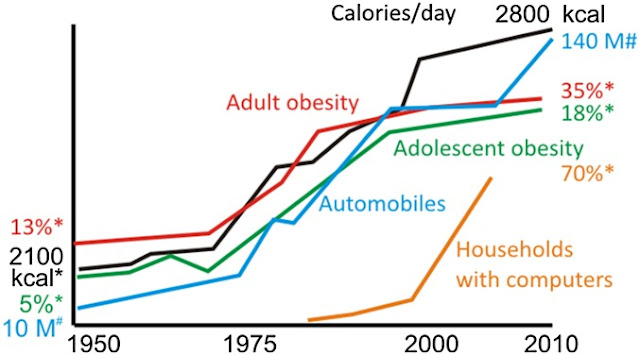
and perhaps foremost is cultural tradition. Three meals plus snacks daily has
become the norm during the past half-century, such that a majority of American
children are accustomed to this eating pattern. Second, the agriculture, food
processing, food retail, and restaurant industries and all of the affiliated
industries that serve or promote food-from airlines to concert stadiums to
television cooking shows to advertising and others-still all have established
practices and financial interests and these interests may affect receptivity to
proposed shifts in eating patterns and potential decreases in total food
purchased. Third, the willingness and ability of the American health care
system, including medical training and practice, to emphasize prevention and
lifestyles will be a key factor in success or lack thereof.

0
0
1
654
3731
Carl T. Curtis Health and Education
31
8
4377
14.0
Normal
0
false
false
false
EN-US
JA
X-NONE
Original Blogger URL: https://medicoanthropologist.blogspot.com/2018/04/mind-spirit-and-body-sadhguru-on.html